The holidays have a way of showing up everywhere, on your calendar, your plate, and…
Holiday Travel & Healthy Veins: Tips to Prevent DVT This Season
The holidays are a time for connection, celebration, and often long hours of travel. Whether you’re flying across the country or driving several hours to see family, it’s important to remember that sitting still for extended periods can increase your risk of deep vein thrombosis (DVT), a condition in which a blood clot forms in a deep vein, most often in the legs.
At VeinSolutions Austin, our vascular specialists want to help you travel safely and protect your vein health this holiday season. With a few simple precautions, you can reduce your risk of DVT and keep your circulation flowing freely, no matter where your plans take you.
Understanding DVT
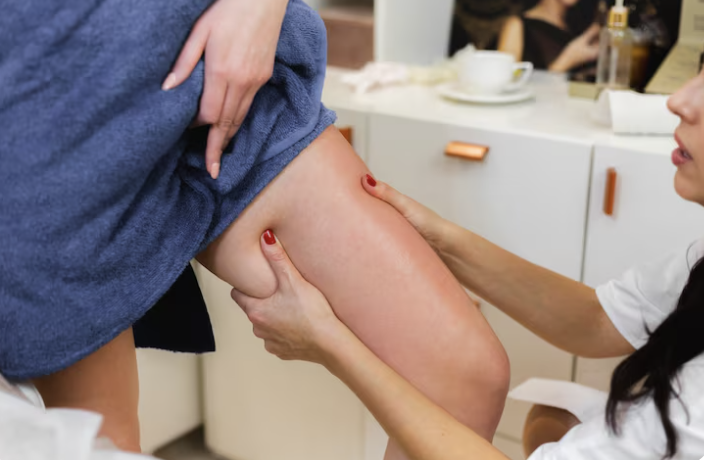
Deep vein thrombosis occurs when blood flow slows or pools, allowing clots to form. These clots can cause pain, swelling, and redness in the affected leg. If part of a clot breaks off and travels to the lungs, it can lead to a pulmonary embolism, which is a life-threatening emergency.
Long stretches of inactivity, such as sitting during flights or car rides, are one of the most common triggers for DVT, especially for individuals who already have varicose veins, vein disease, or a family history of blood clots.
Smart Travel Habits to Keep Your Blood Moving
The good news: a few mindful adjustments can go a long way toward prevention. Before you pack your bags, keep these doctor-recommended travel tips in mind:
-
Move Every Hour: On flights, try to stand or walk the aisle every hour. During road trips, make regular stops to stretch your legs and move around.
-
Flex and Stretch: While seated, roll your ankles, flex your calves, and point and lift your toes to help activate circulation. These simple exercises keep blood from pooling in your lower legs.
-
Stay Hydrated: Dehydration thickens the blood and can increase your risk of clotting. Drink plenty of water before and during travel, and limit alcohol and caffeine, which can dehydrate you.
-
Wear Compression Stockings: Graduated compression hose gently squeeze the legs, improving blood flow and reducing swelling. They’re especially helpful for people with varicose veins or a history of DVT.
-
Avoid Crossing Your Legs: Keeping your legs crossed can restrict circulation. Try to keep both feet flat on the floor or slightly elevated if possible.
-
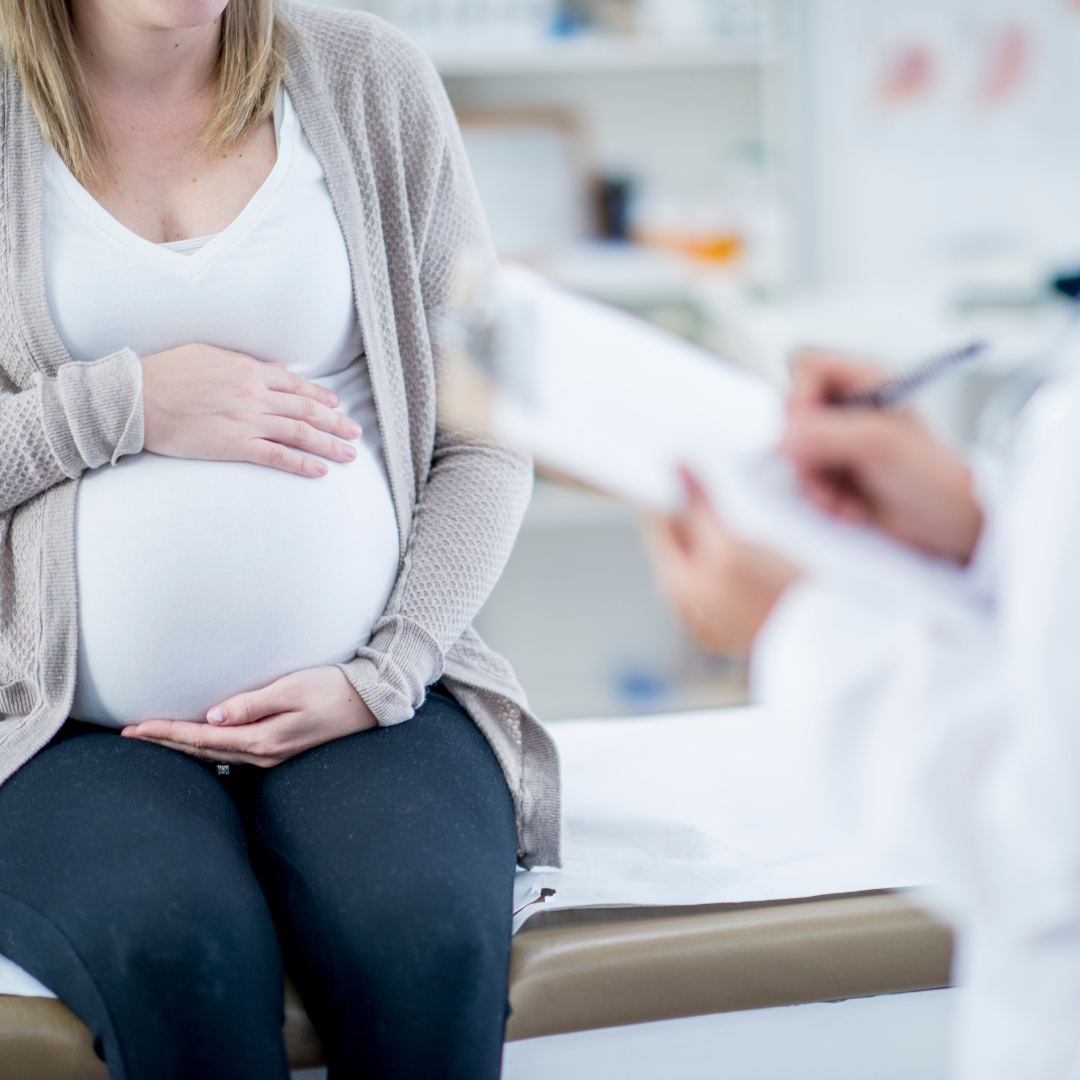
Know Your Risk Factors: Talk to your doctor before traveling if you’ve recently had surgery, are pregnant, take hormone therapy, or have a history of clotting disorders. Your provider may recommend additional precautions or medications.
When to Seek Help
Symptoms of DVT can be subtle, but it’s important not to ignore them. Call your doctor right away if you experience:
-
Swelling in one leg
-
Pain or tenderness not caused by injury
-
Warmth or redness along a vein
If you develop sudden shortness of breath, chest pain, or coughing up blood, seek emergency care immediately, these may be signs of a pulmonary embolism.
A Safe, Healthy Holiday Starts with Awareness
The holidays are meant for joy, not medical emergencies. By taking proactive steps before and during your travel, you can protect your circulation and your overall health.
Contact VeinSolutions for Varicose Vein Treatment in Austin
With offices throughout Central Texas, VeinSolutions has been helping patients feel and look their best for more than 20 years. We combine advanced technology with individualized care, ensuring that each treatment plan is safe, effective, and tailored to your lifestyle.
Our board-certified vascular surgeons and vein specialists provide both cosmetic and medical treatments for varicose veins, helping improve your leg health and circulation. Schedule an appointment with a vein specialist today:
- Austin: 512-452-8346
- Georgetown: 512-501-4287
- Kyle: 512-651-8420
Follow us on Facebook and Instagram for vein health tips and updates.
Related Posts